

How QuickPro Mobile Improves Search Visibility through Customer Questions

What Are Your Customers Actually Searching For?


Your customers are asking questions online right now — questions that could lead them straight to your business. The problem? Most companies never uncover what those questions actually are, let alone answer them in a way search engines (and real people) can find.


That's where QuickPro Mobile comes in. We dig into the exact language your customers use — the real, specific questions behind their searches — and turn those insights into strategic, well-structured website content. The result: your business doesn't just appear in search results, it answers the questions your customers are already asking, right when they're asking them.

HOW QUICKPRO MOBILE IDENTIFIES UNIQUE CUSTOMER QUESTIONS

We Start By Listening: How QuickPro Mobile Uncovers What Your Customers Really Want to Know


At QuickPro Mobile, great content doesn't start with guesswork — it starts with listening. Before we write a single word, we dig deep into the questions your customers are already asking. Because the best SEO strategy isn't about chasing keywords — it's about answering real questions with real intent behind them.


Here's how we do it:

  • Mining Sales & Support Conversations — We review common questions from your sales and customer service teams to uncover what's actually on your customers' minds.
  • Talking to the People on the Front Lines — We sit down with the internal teams who talk to customers every single day, tapping into insights that never make it into a spreadsheet.
  • Spotting the Patterns — We identify recurring themes and pain points across customer conversations, revealing what truly matters to your audience.
  • Matching Intent with Search Behavior — We align those real-world questions with actual search data, ensuring your content meets people exactly where they're already looking.


The result? Content that doesn't just rank — it resonates. By grounding our strategy in real customer interactions, we create content that's relevant, practical, and built to answer the questions people are typing into Google right now.


This is what sets performance-driven SEO apart: content built on real conversations, not assumptions.

WHY CUSTOMER QUESTIONS MATTER IN SEARCH

Your Customers Are Already Asking These Questions — Is Google Answering Them First?


Every business hears the same handful of questions on repeat:

  • How does your service actually work?
  • What does the process look like?
  • What should I expect before I get started?


Here's the part most businesses miss: those aren't just questions customers ask you directly — they're questions people are typing into Google before they ever find you.


Search engines exist to connect real questions with the clearest, most helpful answers. So if your website doesn't spell out how your service works, what your process involves, and what customers can expect upfront, you're not just leaving customers confused — you're leaving visibility on the table. Every unanswered question is a missed chance to rank, get found, and earn trust before a competitor does.


The fix is simple: turn your most common customer questions into the content on your site. Answer them clearly, answer them often, and answer them where search engines (and customers) are already looking.

QUESTIONS INTO WEBSITE CONTENT

Turn Customer Questions Into Your Best SEO Content


Every question a customer asks is a content opportunity hiding in plain sight. When you start tracking what people actually ask before they book, you unlock a goldmine of high-intent topics your website should already be answering.


Take a junk removal company, for example. Customers often ask things like:

  • How do I prepare for a junk removal appointment?
  • What happens during an on-site estimate?


Instead of letting these questions live and die in phone calls or DMs, turn them into content that works for you around the clock:

  • Blog posts that answer the question in depth and build topical authority
  • Service page sections that address hesitations right where customers are ready to convert
  • FAQ content that captures long-tail, voice-search-friendly queries


The payoff? When this content is structured correctly, search engines can clearly understand what your business offers, who it's for, and when to surface your site in relevant search results. That means more qualified traffic, better rankings, and content that actually answers the questions your customers are already typing into Google.

HOW THIS IMPROVES YOUR SEARCH VISIBILITY

Turn Real Customer Questions into Your Best-Performing Content


Want search engines and AI tools to actually find you? Stop guessing what to write and start listening to your customers. When you build content around the real questions people are already asking, you're speaking the exact language search engines and AI assistants are trained to recognize — and that makes all the difference.


Here's what this approach does for you:

  • Boosts visibility for high-intent searches — the ones from people ready to act, not just browsing
  • Increases your odds of showing up in AI-generated answers, where more searches are landing every day
  • Attracts the right audience — people actively searching for exactly what you offer
  • Builds trust through genuinely helpful content, not generic filler


The best part? You're no longer shooting in the dark. Every piece of content maps directly to what your audience is already searching for — which means better rankings, more qualified traffic, and content that actually converts.

Share this article

Recent Posts

OpenAI logo beside glowing blue “AI” letters on a dark circuit-board background and ChatGPT 3D logo
By QuickPro Mobile May 19, 2026
OpenAI is testing ads in ChatGPT for free and "Go" tier users in the US as of February 9, 2026, aimed at supporting infrastructure costs. These ads will be clearly labeled, appear at the bottom of conversations, and will not affect the accuracy or neutrality of AI responses.

Keyboard with optimization button in orange with rocket icon
By QuickPro Mobile April 24, 2026
At QuickPro Mobile, we guide businesses through this transformation with Answer Engine Optimization (AEO)—a forward-thinking strategy designed to position your content where it matters most: directly in front of users seeking clear, immediate answers.
Close-up of a person’s eye with a colorful Google icon reflection in the pupils
By QuickPro Mobile April 1, 2026
If your business serves customers in person, a Google Business Profile (GBP) isn’t just nice to have—it’s essential. A well-optimized GBP boosts your visibility on Google Search and Google Maps, improves your chances of showing up at the top of local results, and gives you full control over how your business appears on
Abstract motion-blur city street with bright light streaks and a person walking
By QuickPro Mobile February 13, 2026
Questions about optimizing mobile page speed are common in the web design world. To address these, we turned to Russ Jeffery, Director of Platform Strategy at Duda and one of our experts on the matter.
Blurred close-up of the word “Design” in white and gold on a dark surface.
By QuickPro Mobile January 22, 2026
n 2026, a website redesign isn’t just about looking good—it’s about staying ahead of your competitors. A fresh, modern site can boost performance, enhance user experience, and leverage the latest tech trends, from AI-powered features to cutting-edge design.

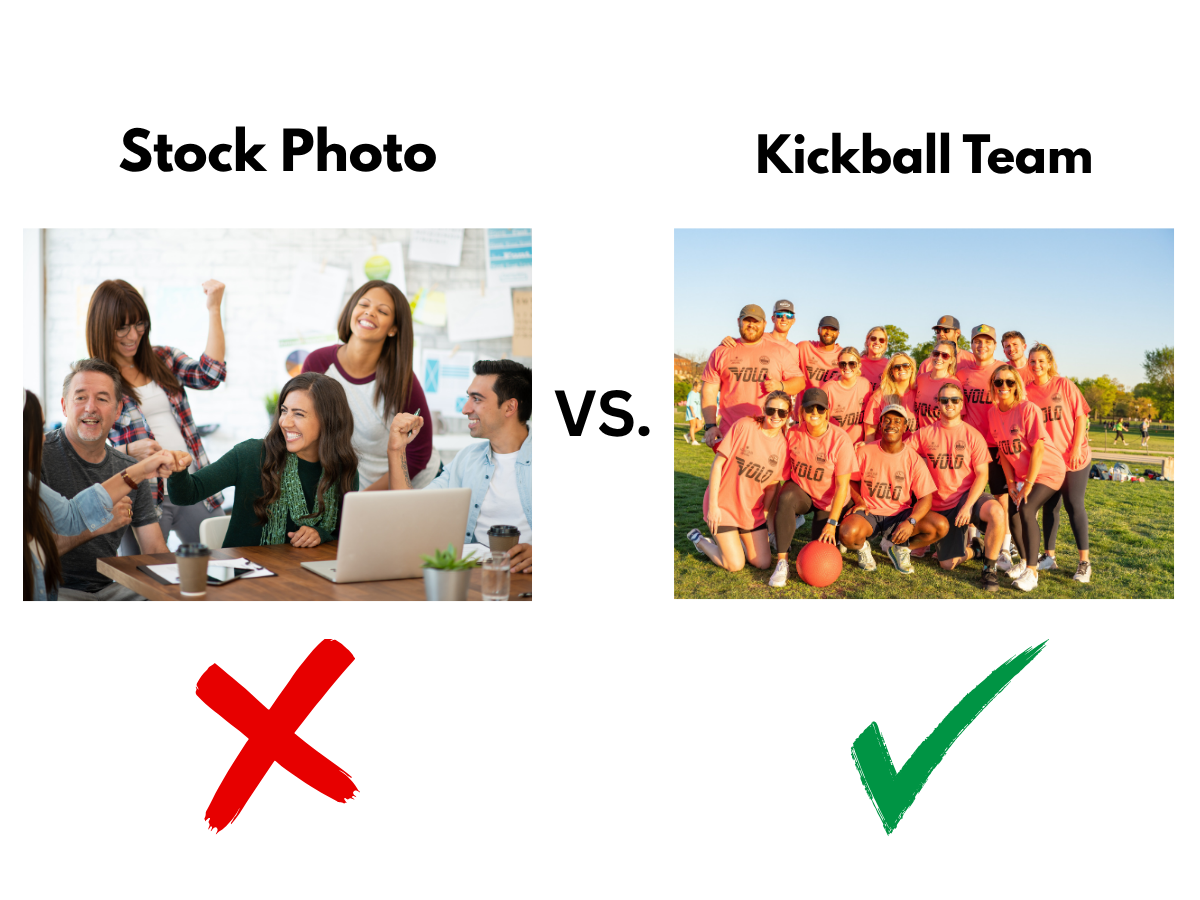
Comparison: a stock photo of a business team vs. a kickball team; the kickball team has a green chec
By QuickPro Mobile December 29, 2025
Whether you’re a small business, a local player, or a global enterprise, one truth applies to all of us: Our audience is made up of people. And people come with natural biases and instincts. One of the strongest is the need to connect. We seek relationships. We’re wired to be social.

Glowing light bulb with a warm yellow light against a dark, smoky background
By QuickPro Mobile November 18, 2025
Google's mobile-first indexing requirements mean search engine crawlers will prioritize the mobile version of your website content, rather than the desktop version. And, in January 2024, mobile site visits (excluding tablets) accounted for more than 60% of all web traffic.